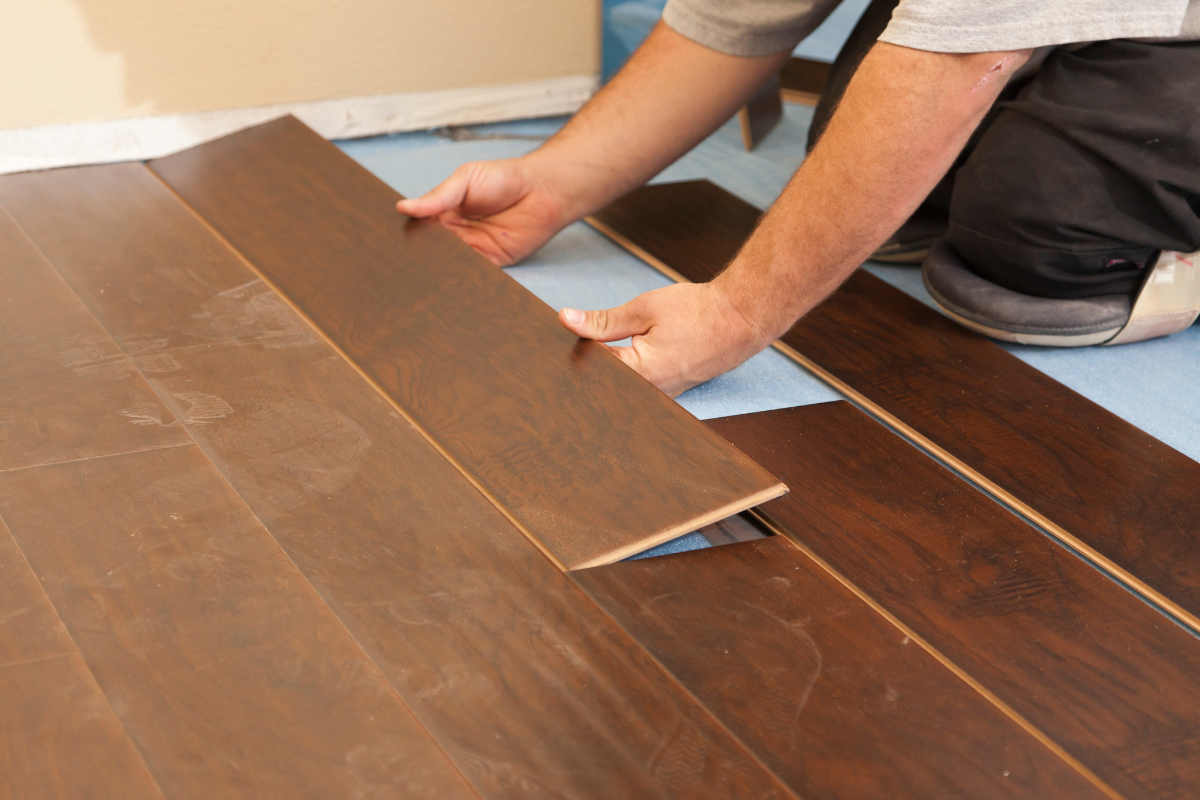
Open concept homes invite light and social energy, but they also expose every seam where finishes meet. A half shade jump in flooring color can read as a mistake rather than a choice when there are no walls to hide the transition. That is why hardwood earns so much loyalty in open layouts. It connects rooms with a continuous surface, adds warmth underfoot, and ages with character instead of obsolescence. The challenge is making one decision that works for many functions: cooking, relaxing, working, entertaining, the quiet of morning and the bustle of dinner. Good planning, paired with the right wood and finish, delivers a floor that not only looks consistent, it behaves consistently.
I have spent years walking job sites with designers and homeowners, and I have watched beautiful concepts collapse over avoidable details. I have also seen modest budgets shine because the basics were handled with discipline. The difference often comes down to understanding grain, color temperature, sheen, and movement, then aligning those with the realities of daily life and the limits of materials. If you are working with a hardwood floor company, or vetting hardwood flooring contractors for estimates, it helps to go in with a clear point of view and some nonnegotiables.
What “flow” really means with hardwood
In an open plan, your eye travels from one end of the living area to the other without stopping at thresholds or doors. Flow happens when the flooring does not call attention to itself from zone to zone. You can still create definition through furniture, rugs, and lighting, but the floor should read as one canvas. Even small shifts can break the rhythm. A kitchen laced with natural daylight might make a stain look cooler than it does in the dining area. A different subfloor in the original addition might cause subtle changes in plank movement and gap size. Certain species change color as they age, which can create uneven tones if the family room sees more sun than the hallway.
When you plan for flow, you address these variables up front. https://martinximw440.lowescouponn.com/how-to-read-a-proposal-from-hardwood-flooring-contractors You test samples in varied light. You choose a stain that sits in a comfortable middle, neither too warm nor too gray for the house. You set realistic expectations for seasonal gaps, and you pick plank widths that tolerate movement without telegraphing it. The result is not uniformity for its own sake, but harmony that makes the rest of the space feel intentional.
Choosing species with an eye to the whole space
Oak still reigns for good reasons. Both red and white oak take stain predictably, and their grain masks day-to-day wear. If the home gets a lot of sunlight or if kids and pets are part of the picture, oak’s forgiving surface buys you time between refinishes. For open layouts, white oak has become the workhorse. It has a more neutral, biscuit-colored base that leans neither pink nor orange. It also pairs well with contemporary cabinets and natural stone without feeling cold.
Maple can look stunning in modern spaces, but it shows sanding marks and finish lines if the hardwood flooring installer is less than meticulous. It takes stain unevenly unless you use a conditioner and apply carefully, and even then, it often looks better near its natural tone. In open plans with less visual clutter, every wave in the sanding shows under raking light. If you go maple, hire a crew with impeccable track records and inspect a finished project of theirs, not just sample boards.
Hickory offers dramatic grain and high hardness, which strikes some as lively and others as busy. It works best when the rest of the finishes are quiet. Walnut brings deep elegance and a chocolate warmth that pairs beautifully with brass and plaster, but it is softer than oak. In spaces with big dogs or lots of chair movement, expect more dings. That patina can be gorgeous if you commit to it. Exotic species raise compatibility questions with touchless stains and matte finishes, and sustainability concerns vary by source. When in doubt, local species simplify timelines and reduce surprises.
Engineered versus solid is more about the structure of the house than the style. If you have radiant heat, a slab on grade, or a high-humidity region, engineered hardwood often wins. Its cross-laminated construction manages movement better, which helps maintain tight seams across a big open span. Solid wood can be perfect over a well-prepared wood subfloor with stable humidity in a temperate climate. The thicker wear layer of solid wood gives more refinishing cycles, but high-quality engineered floors with 3 to 4 millimeter wear layers can be sanded two or three times, which for many families covers decades.
Color, stain, and the temperature of light
The same stain will not look the same in a north-facing living area and a south-facing kitchen under warm LEDs. Before you commit, move sample boards around the entire space for a week. View them at dawn, midday, and night. Take photos to compare angles you might otherwise forget. What matters is not just the color in isolation, but how it interacts with your walls, cabinets, countertops, and the furniture you actually own.
There is also a growing preference for lighter floors, and for good reason. Lighter stains show dust less than espresso tones, and they reflect available light. A natural or lightly whitewashed white oak complements both traditional millwork and minimalist interiors. If you want a cooler, desaturated feel, ask your hardwood flooring installer about using a reactive stain or lye treatment on white oak. These treatments can mute the yellow cast, producing a soft, aged tone without the gray fog that was popular a few years ago. Make sure your hardwood floor company walks you through the full system, including compatible sealers and topcoats. Mixing products from different lines can cause adhesion issues or unexpected color shifts.
Mid-tones are easier to live with than extremes. Deep, espresso stains look polished on day one, then show every scratch from pets and chair legs by week two. Very white floors look airy, then turn into maintenance jobs in heavy-traffic households. Mid-tones also anchor large spaces without feeling heavy. If you love rich color, consider achieving depth through oil finishes that penetrate and highlight grain rather than sitting as a dark film.
Sheen is not just aesthetic, it is practical
Gloss highlights every scuff and footprints under sunbeams. Satin strikes a balance, but in many open concept homes, matte has taken the lead for good reason. It diffuses light, hides micro-scratches, and gives the floor a more natural presence. If you choose a matte polyurethane, ask if it has slip resistance additives and how those affect cleaning. If you go with a penetrating oil or hardwax oil, understand the maintenance cycle. Oiled floors may require annual or biannual refresh coats that can be done without sanding, which many households prefer over a full refinish every 8 to 12 years. Polyurethane needs less frequent attention, but when it is time to renew, you often need to abrade or sand for best results.
There is also a tactile piece. Matte, especially in oil systems, feels softer underfoot, almost like leather. In a big room with high ceilings, that subtle warmth can make the space feel grounded rather than echoing.
Plank width, length, and pattern in open rooms
Wide planks frame a space and visually reduce seams, but they also amplify seasonal movement. In a 24-foot span with forced air heat, 8-inch solid planks can open visible gaps in winter if humidity drops. Engineered wide planks manage this better. If you prefer solid, cap plank width to what your climate and HVAC can support. In the upper Midwest without humidification, 5 to 6 inches is often the sweet spot. In coastal zones with moderate swings and steadfast humidity control, 7 to 8 inches can work.
Longer lengths minimize stair-step patterns that distract the eye. Many commodity floors arrive with random lengths between 12 and 48 inches, which shortens the visual stride across a great room. Upgrading to longer bundles, with many boards in the 6 to 10 foot range, changes the whole look. It costs more and usually requires ordering from a hardwood flooring company that specializes in premium milling, but the payoff shows daily.
Diagonal or herringbone runs can be beautiful, though they carry labor costs and require cleaner subfloors. In open concept spaces, a single herringbone field looks timeless if it runs uninterrupted, but it becomes fussy if you plan to interrupt it with multiple rugs and furniture clusters. Straight lay, aligned with the main sightline of the space, keeps the floor in service of the architecture. If two wings pull the eye in different directions, pick the orientation that works for the longest, most-used axis, then let the secondary wing follow. Turning the planks at the hallway just to fit its narrower run tends to look like a patch.
The anatomy of a flawless transition
Open concept does not always mean zero transitions. You may move from hardwood in the living area to tile in the kitchen for water protection, or to stone in the entry. The best transitions are as thin and flush as the materials allow. Height differences invite toe-stubs and visual noise. A skilled hardwood flooring installer will plane the subfloor, add the right underlayment, and feather leveling compound so that hardwood and tile meet at the same height. Where they cannot, a low-profile metal or wood transition strip should look intentional. If you can land transitions under cabinet toe kicks or at the edge of an island, you can compress the visual break.
Color transitions within hardwood should be avoided across open sightlines if possible. If you must change color because the kitchen is in poor condition and you want a darker, more forgiving stain, do it under an island or beneath a peninsula overhang so the transition hides in shadow and the bar stools become the visual break.
Subfloor prep is invisible, until it isn’t
Open areas amplify the effect of humps and dips. You might never notice a three-sixteenths inch hump over ten feet in a closed hallway, but in a 30-foot run with lots of glass, the sunlight will rake across the floor and announce every wave. Treads will creak, gaps will open, and edges might catch. Strong hardwood flooring services treat subfloor prep as a project phase, not a footnote on an estimate. Expect a crew to check for flatness with a long straightedge across the entire span, mark highs and lows, then address them with a planer, sander, or self-leveling compound. Moisture testing with calibrated meters is also non-negotiable. On concrete slabs, relative humidity tests guide the choice of vapor barriers and adhesives. On wood subfloors, pin meters and ambient readings tell you when to proceed.
Acclimation works when it is specific, not generic. Dropping bundles on-site for a week is not a plan. The target is equilibrium with the home’s living conditions. If you run the HVAC as you will live in the space, then stack, sticker, and measure moisture content daily, you can make a data-based call. Most species fall in the 6 to 9 percent moisture content range for typical conditioned interiors, but lo